

Table of Contents
- Why Clear Lake Waterfront Homes Attract Boaters and Water Enthusiasts
- What's the Difference Between Canal Lots and Open-Water Properties?
- Understanding Seawalls, Bulkheads, and Shoreline Maintenance
- Flood Zones and Insurance: What Every Waterfront Buyer Must Know
- HOA Rules, Dock Permits, and Waterfront Restrictions
- Everyday Realities: Humidity, Salt Air, and Maintenance
- Navigating Your Waterfront Home Search
- Is Waterfront Living on Clear Lake Right for You?
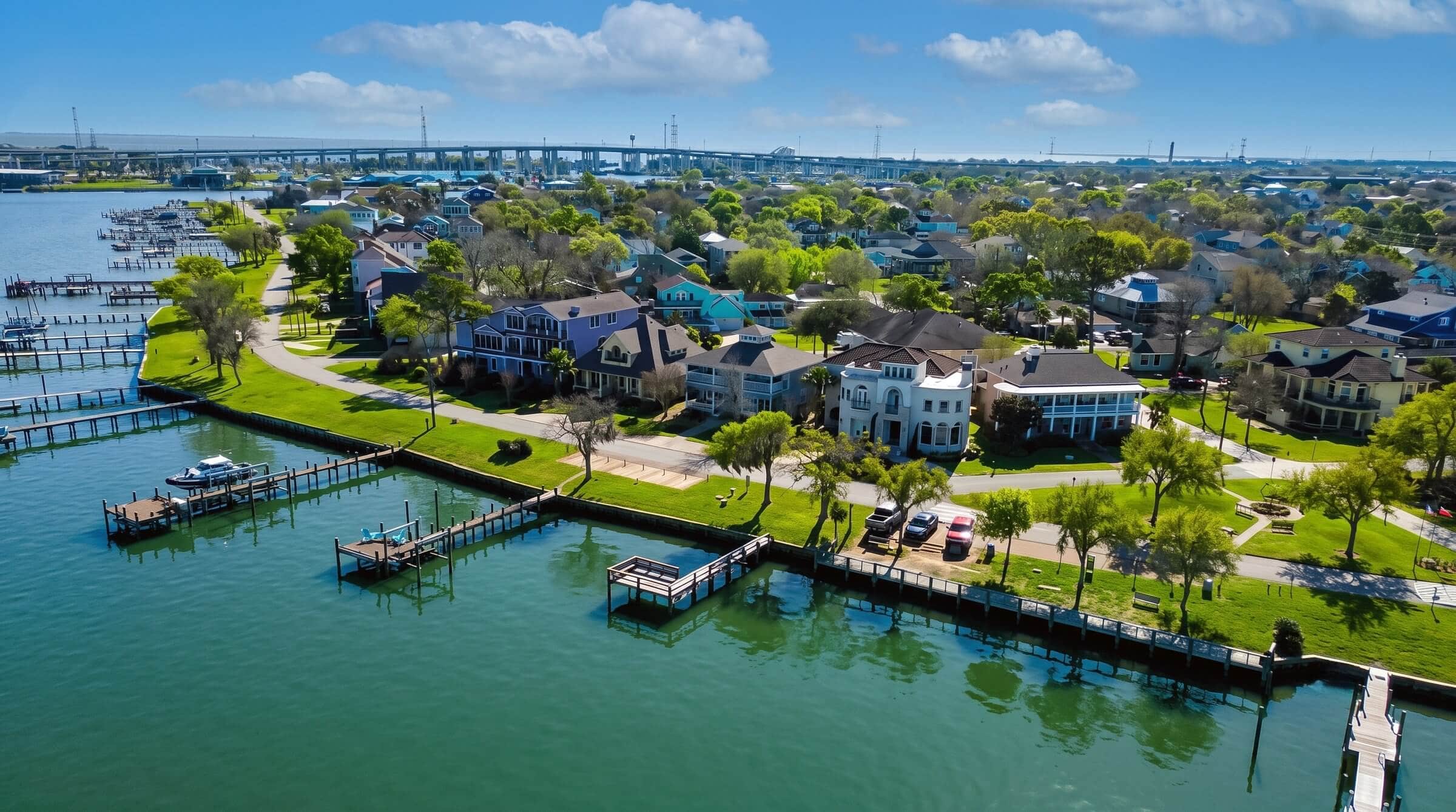
You've imagined it a hundred times: morning coffee on your private dock, afternoon sails on the lake, and evenings watching the sun set over the water. Living on Clear Lake means immediate access to 2,000 acres of protected bay water that connects to Galveston Bay and the Gulf of Mexico—no bridges, no waiting. But before you make an offer on Clear Lake waterfront homes, there are practical realities every buyer needs to understand about seawalls, flood zones, homeowners association rules, and long-term maintenance costs that don't apply to typical subdivisions.
Why Clear Lake Waterfront Homes Attract Boaters and Water Enthusiasts
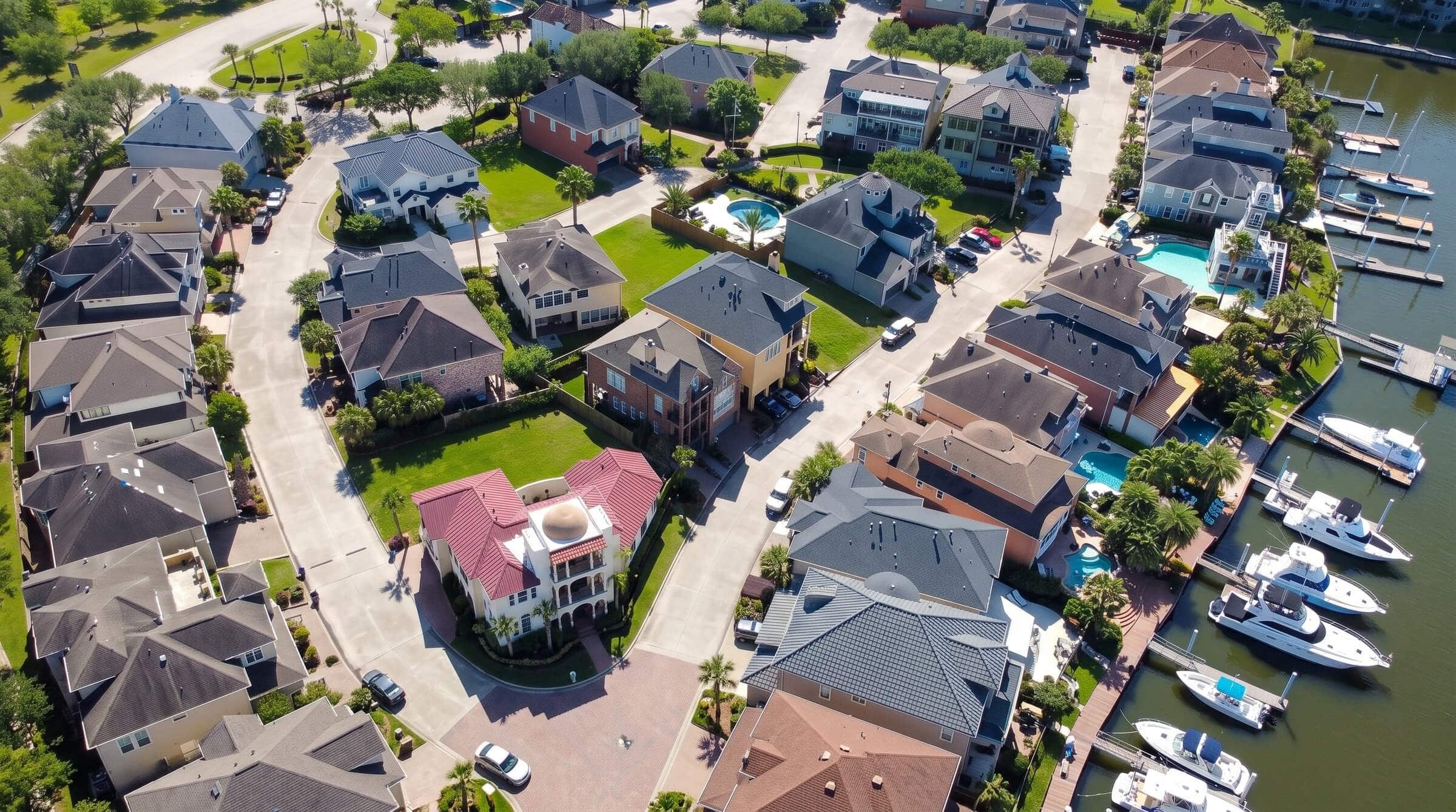
Clear Lake sits at the heart of Bay Area Houston's sailing and boating culture. You're minutes from the Kemah Boardwalk, NASA Johnson Space Center, and multiple marinas offering everything from kayak rentals to yacht clubs. Communities like Seabrook, Clear Lake Shores, Taylor Lake Village, El Lago, and Kemah ring the lake with homes that range from modest canal lots to estate properties on open water.
The appeal is obvious: no towing your boat to a public ramp, no storage fees, and year-round access. Many homeowners keep sailboats, powerboats, or jet skis tied to their own docks. Weekend trips to Galveston or Kemah become routine instead of special events.
But waterfront living comes with trade-offs that deserve careful consideration before you commit.
Watch: Welcome to Clear Lake Shores, Texas — The Bly Team on YouTube
What's the Difference Between Canal Lots and Open-Water Properties?
Not all waterfront is created equal. Understanding lot type changes everything about price, views, and usability.
Canal Lots
Canal-front homes sit along man-made channels that feed into the main body of Clear Lake. These lots typically offer:
- More affordable pricing compared to open-water homes
- Protected, calmer water with less wave action
- Narrow water views, often across the canal to neighboring homes
- Shorter boat commutes to open water, depending on canal depth and location
Check the canal depth carefully. Some canals silt in over time, limiting what size vessel you can dock or requiring periodic dredging—a costly process often shared by canal homeowners.
Open-Water Lots
Properties directly on Clear Lake or Galveston Bay command premium prices because they offer:
- Unobstructed water views and better sunsets
- Direct access without navigating narrow canals
- Greater privacy and fewer immediate neighbors across the water
- Higher exposure to wind, waves, and storm surge
The trade-off is price and maintenance. Seawalls on open water take more abuse and require more frequent inspection and repair.
Understanding Seawalls, Bulkheads, and Shoreline Maintenance
Your seawall is the single most important—and expensive—infrastructure element of any waterfront property. It holds back the water, protects your foundation, and supports your lawn and landscaping.
Seawalls don't last forever. Depending on materials and exposure, a seawall might need major repair or replacement every 20 to 40 years. Costs can range from tens of thousands to well over $100,000 for extensive open-water seawalls.
Before you buy Clear Lake waterfront homes, insist on a seawall inspection by a marine contractor, not just a general home inspector. Look for:
- Cracks, tilting, or separation in concrete or steel panels
- Voids or sinkholes behind the wall indicating soil loss
- Erosion beneath boat docks or along corners
- Age and material type (wood, vinyl, concrete, steel sheet pile)
Some homeowners associations require certain seawall materials or heights. Others manage shared seawalls collectively. Know the rules and the financial responsibility before closing.
A seawall inspection is as critical as a roof inspection when buying waterfront—it protects your biggest investment and can save you from surprise five-figure bills.Flood Zones and Insurance: What Every Waterfront Buyer Must Know
Most Clear Lake waterfront homes sit in FEMA-designated flood zones, typically Zone AE or VE. If you're financing the purchase, your lender will require flood insurance in addition to standard homeowners coverage.
Flood insurance costs vary widely based on:
- Your home's elevation relative to base flood elevation (BFE)
- Whether the home was built before or after the community adopted flood maps
- Construction type (slab, pier-and-beam, elevated)
- Flood zone designation and proximity to open water
Homes built on pilings or elevated foundations often qualify for lower premiums. Older homes built at grade before modern flood regulations may face steep annual costs—sometimes $3,000 to $8,000 or more.
Ask the seller for their current flood insurance declaration page and elevation certificate. The Houston Association of Realtors flood resources and FEMA Flood Map Service Center offer tools to research your specific lot, but working with a guide who understands local flood history and construction standards makes the process much simpler.
HOA Rules, Dock Permits, and Waterfront Restrictions
Many waterfront communities around Clear Lake have mandatory homeowners associations with rules governing:
- Boat dock size, materials, and setbacks
- Boat lift installation and appearance
- Seawall height and repair timelines
- Exterior paint colors and landscaping
- Use of jet skis or overnight boat guests
Some neighborhoods are more relaxed; others enforce strict architectural controls. Review the HOA covenants and restrictions carefully, especially if you plan to build a new dock, add a boat lift, or renovate.
You may also need permits from the U.S. Army Corps of Engineers or the Texas Parks and Wildlife Department for dock construction or modifications, depending on size and location. Your HOA may streamline this, or you may need to navigate it independently.
Everyday Realities: Humidity, Salt Air, and Maintenance
Waterfront homes require more upkeep than inland properties. Salt air accelerates corrosion on metal fixtures, HVAC units, and outdoor lighting. Humidity promotes mold and mildew if ventilation isn't managed well. Expect to:
- Repaint exterior surfaces more frequently
- Replace or maintain outdoor furniture, grills, and fixtures regularly
- Monitor dock boards, pilings, and cleats for rot or marine borer damage
- Clean windows and screens often due to salt spray and pollen
These aren't deal-breakers—they're simply the trade-offs for waking up to water views and having your boat steps from your back door.
Navigating Your Waterfront Home Search
If you're ready to explore what's available, browsing current listings at search.blyteam.com gives you a real-time look at canal-front and open-water homes across Clear Lake Shores, Seabrook, Kemah, and Taylor Lake Village. You can filter by waterfront features, price range, and dock access to narrow your options quickly.
But online listings can't tell you about seawall condition, canal depth, HOA enforcement history, or flood insurance nuances. That's where working with a guide who has helped buyers navigate these specific challenges—across more than 2,440 homes sold and rented across Greater Houston—makes the difference between a smooth close and costly surprises six months later.
Is Waterfront Living on Clear Lake Right for You?
Buying Clear Lake waterfront homes isn't just about square footage and school ratings. It's about understanding seawalls, flood maps, HOA covenants, and the long-term costs that come with living steps from the water.
For the right buyer—someone who values immediate lake access, embraces routine maintenance, and plans to stay long enough to enjoy the lifestyle—waterfront living offers rewards that typical subdivisions simply can't match.
The Bly Team serves buyers and sellers throughout League City, Friendswood, Clear Lake Shores, Kemah, Dickinson, Pearland, Webster, Seabrook, and greater Bay Area Houston, with deep local knowledge of waterfront properties, flood zones, and the communities that make this area home.
WONDERING WHAT YOUR HOME IS WORTH?
Your next chapter starts with one number.
Get a free, no-obligation home value report for your address. It takes a minute — no pressure, ever.
Get My Free Home ValueCall The Bly Team at (832) 932-5435