

Table of Contents
You've found a home you love in Galveston County, but the listing mentions a flood zone. Your stomach tightens. Does that mean you'll flood? Will insurance cost a fortune? Should you walk away?
Here's the truth: flood zone home buying Texas requires understanding what those designations actually mean, not making decisions based on fear. Living near Galveston Bay, Clear Lake, and the Gulf Coast means nearly every buyer encounters flood zone questions. Some zones carry real risk and cost. Others are simply map technicalities with minimal impact on your daily life or your wallet.
Let's walk through exactly what you need to know before you make an offer.
What Flood Zones Actually Tell You
FEMA creates flood maps that divide areas into zones based on calculated flood risk. These aren't predictions of whether your specific house will flood—they're statistical models of risk across large areas over time.
The zones you'll see most often in Galveston County:
- Zone X (shaded and unshaded): Minimal to moderate risk areas. Most mortgages don't require flood insurance here, though you can still flood.
- Zone AE: High-risk area with established base flood elevations. If you have a federally-backed mortgage, flood insurance is required.
- Zone A: High-risk area without detailed elevation data yet mapped.
- Zone VE: High-risk coastal area with wave action—the most expensive to insure and build in.
You can check any address using Galveston County's official resources or FEMA's Flood Map Service Center. The map will show you the current designation, but understand these maps get redrawn periodically as data improves or coastlines change.
Does Flood Zone Home Buying Texas Mean Mandatory Insurance?
If you're using a conventional, FHA, VA, or USDA loan and the home sits in a high-risk zone (A or V zones), your lender will require flood insurance. There's no negotiating this. It's a condition of the loan.
In moderate- or low-risk zones (Zone X), insurance is optional but often wise. Approximately 25% of flood claims come from outside high-risk zones. We've seen homes in League City and Friendswood that flooded during Hurricane Harvey despite being in Zone X.
If you're paying cash, no one can force you to buy insurance. But that's a decision to make with open eyes, not blind optimism.
What Will Flood Insurance Actually Cost You?
This is where many buyers get sticker shock—or pleasant surprises, depending on the home's specifics.
Cost depends on several factors:
- Your flood zone designation
- The home's elevation relative to base flood elevation (BFE)
- Whether the home was built before or after the community's first FEMA flood map
- Your coverage amount and deductible
- Whether you're in the National Flood Insurance Program (NFIP) or using a private carrier
A home in Zone X might cost $400–$600 annually for coverage. A home in Zone AE that sits two feet below base flood elevation could run $2,000–$4,000 or more. A recently-built elevated home in the same zone might cost $800 because it's above the BFE.
Always get a flood insurance quote before you're under contract—or make your offer contingent on acceptable insurance costs. No one wants to discover a $5,000 annual premium three days before closing.
How Home Elevation Changes Everything
Base Flood Elevation (BFE) is the water level FEMA calculates has a 1% chance of being equaled or exceeded in any given year. If a home is built above that level, your risk drops and so does your insurance cost.
You'll want an Elevation Certificate—a survey document that shows exactly how high the home's lowest floor sits relative to BFE. Sellers don't always have this on hand, but it's worth requesting. If the home is elevated two or three feet above BFE, your insurance might cost a fraction of what you feared.
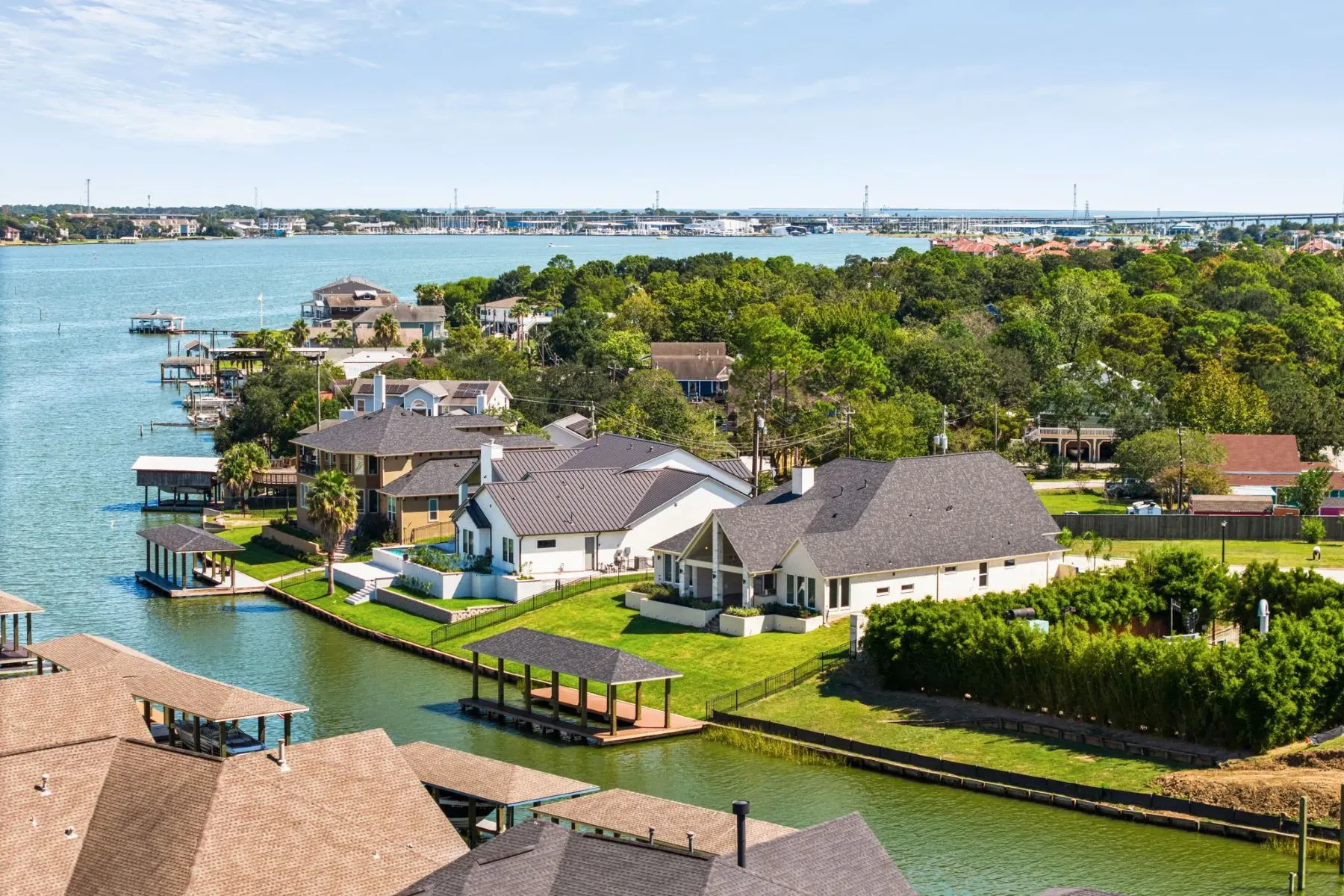
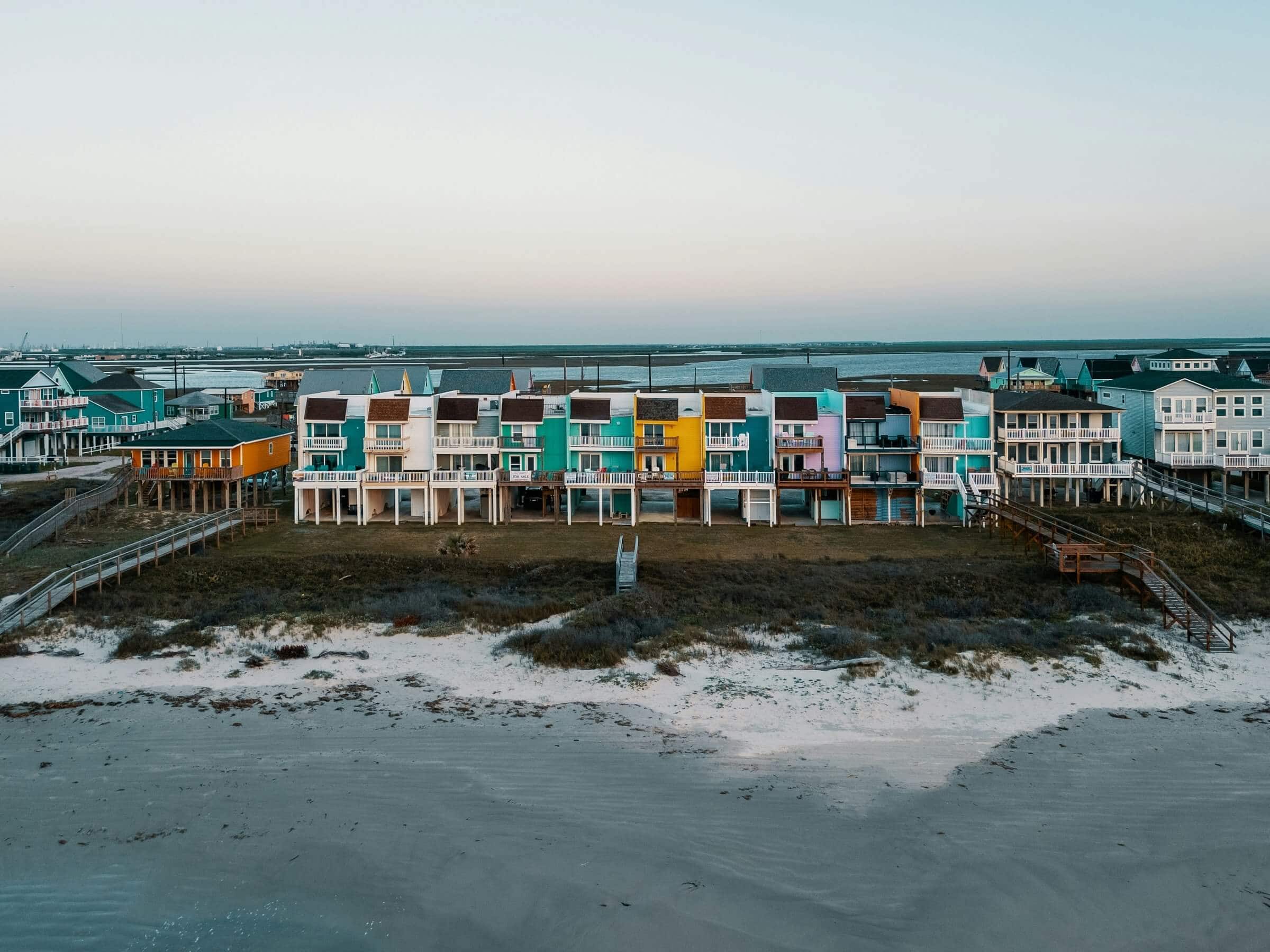
Many newer homes in Kemah, Seabrook, and along the Clear Lake shoreline are built on pilings or elevated slabs specifically to meet or exceed current flood elevation requirements. Older homes built before modern flood maps may sit lower, which explains why identical homes on the same street can have wildly different insurance premiums.
Understanding the relationship between your home's elevation and base flood elevation is the single most important factor in predicting your flood insurance cost and actual risk.Should You Walk Away From a Flood Zone Property?
Not necessarily. Flood zone home buying Texas isn't about avoiding risk entirely—it's about understanding and pricing it correctly.
Ask yourself:
- Can you afford the insurance premium as part of your monthly housing cost?
- Is the home elevated appropriately for its zone?
- Does the home have a history of flooding? (Sellers must disclose this in Texas.)
- Are you comfortable with the risk level, both financially and emotionally?
- Does the home's price reflect the flood zone reality, or are you paying as if it were risk-free?
Some of the most desirable neighborhoods in Bay Area Houston—areas near the Kemah Boardwalk, along NASA Parkway near Johnson Space Center, and waterfront sections of Seabrook—sit in flood zones. Buyers accept the trade-off for proximity to water, boat access, or specific school districts.
Other buyers prioritize flood-free living and focus their search on higher-elevation areas in Pearland or parts of League City farther from the bay. Neither choice is wrong. It's about aligning the home with your risk tolerance and financial reality.
What to Do Before You Make an Offer
If you're serious about flood zone home buying Texas, take these steps before you sign anything:
- Verify the flood zone designation yourself using FEMA's map tool
- Request the Elevation Certificate from the seller if one exists
- Get a flood insurance quote with specific property details
- Ask whether the home has flooded before and review any disclosure statements carefully
- Factor insurance costs into your monthly budget before deciding your offer price
- Consider adding an insurance contingency to your contract if you're uncertain about costs
You can browse available homes across flood zones and neighborhoods at search.blyteam.com and filter by the areas that match your priorities.
The Reality of Coastal Living
Galveston County offers an incredible quality of life—waterfront views, boating access, tight-knit communities, and proximity to both Houston's job market and the Texas coast. That geography also means water is part of the equation.
Flood zones aren't secret traps. They're disclosed, mapped, and manageable when you have the right information and realistic expectations. The risk isn't whether a home is in a flood zone—it's buying in one without understanding what that means for your insurance, your budget, and your peace of mind.
We've helped buyers navigate these decisions across more than 2,440 homes sold and rented across Greater Houston. Some chose elevated new construction in flood zones. Others walked away when insurance quotes came back too high. The right decision is the one you make with full information, not the one you make in the dark.
The Bly Team serves homebuyers and sellers throughout League City, Friendswood, Clear Lake Shores, Kemah, Dickinson, Pearland, Webster, Seabrook, and greater Bay Area Houston.
WONDERING WHAT YOUR HOME IS WORTH?
Your next chapter starts with one number.
Get a free, no-obligation home value report for your address. It takes a minute — no pressure, ever.
Get My Free Home ValueCall The Bly Team at (832) 932-5435