


Table of Contents
If you've been asking yourself, "Why is my house not selling?" you're probably feeling a mix of frustration and worry. You've cleaned, staged, and opened your doors to strangers—but the offers haven't come. Days turn into weeks, and the longer your home sits on the market, the harder it becomes to imagine a successful closing.
The good news? Most homes that aren't selling have fixable problems. It's rarely about the neighborhood or the foundation—it's almost always about the way the home is being presented or positioned. Here are the five most common reasons homes stall in League City, Clear Lake, and across Bay Area Houston this fall, and what you can do about each one.
1. Your Price Doesn't Match the Market
This is the number-one culprit. If your home is priced above what buyers are willing to pay for comparable properties in your neighborhood, you'll see plenty of showings—and zero offers. Buyers today are doing their homework. They're browsing active listings, comparing square footage, finishes, and lot sizes. When your home costs more than similar ones down the street, it simply gets passed over.
Overpricing often happens when sellers anchor to what they paid, what they owe, or what a neighbor's house sold for two years ago. But the market doesn't care about those numbers. It only cares about what buyers are willing to pay right now, this fall, in your specific neighborhood.
The fix is straightforward: pull a fresh comparative market analysis with recent sold data from your area—whether that's Friendswood, Dickinson, or closer to NASA Johnson Space Center—and adjust your price accordingly. Most buyers make their decisions in the first two weeks a home hits the market. If you've missed that window, a price correction can reignite interest.
2. Your Photos Make Buyers Scroll Past
In today's market, your listing photos are your first showing. If they're dark, cluttered, or shot on a phone with poor lighting, buyers won't bother scheduling a tour—no matter how great your home looks in person.
This is especially true for homes near the water or with outdoor features common around Kemah, Clear Lake Shores, and Seabrook. Buyers expect to see bright, wide-angle shots that showcase natural light, clean spaces, and curb appeal. A dimly lit kitchen or a bathroom photo that accidentally includes laundry on the floor can sink a listing before it ever gets a chance.
The fix: hire a professional real estate photographer. It's a small investment that pays off in faster showings and stronger offers. Make sure your home is decluttered, depersonalized, and well-lit before the shoot. If your current listing has been live for weeks without traction, replacing the photos can feel like relisting entirely.
Why Is My House Not Selling When Others Around Me Are?
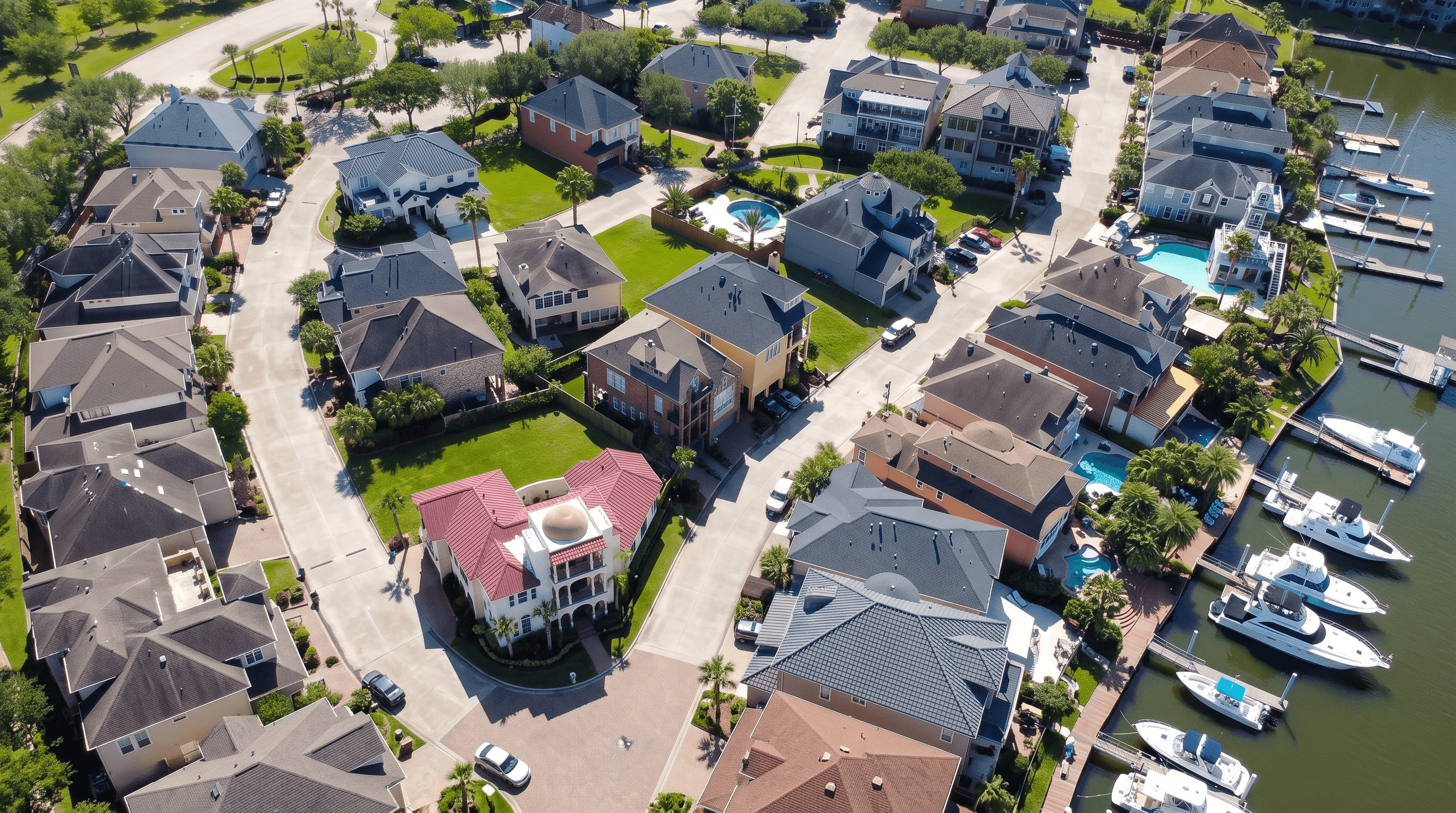
If you've noticed homes in your neighborhood going under contract while yours sits, the issue is usually one of positioning. Buyers are comparing your home directly to those others—and something about yours isn't measuring up. It could be price, condition, or how it's being marketed.
Walk through your listing as if you were a buyer. Look at the competition. What do those sold homes offer that yours doesn't—or at least doesn't highlight? Sometimes it's as simple as a fresh coat of paint in the right neutral, updated hardware, or better staging that helps buyers see themselves living there.
The goal isn't to outspend everyone. It's to make sure your home shows as well as—or better than—the others buyers are touring along I-45 or near League City's Main Street.
Condition and First Impressions Count
Buyers form an opinion in the first eight seconds of walking through your front door. If they're greeted by worn carpet, chipped paint, or an overgrown yard, they'll spend the rest of the tour looking for reasons to leave—not reasons to make an offer.
You don't need a full renovation, but you do need to address the basics: fresh paint in neutral tones, clean grout, working light fixtures, and a tidy yard. In Bay Area Houston's humid climate, mildew and weathered siding are common—but they're also immediate turn-offs. A weekend of power-washing and a few small repairs can shift a buyer's perception from "fixer-upper" to "move-in ready."
3. Your Home Isn't Easy to Show
Buyers move fast, especially this fall when inventory is still competitive in pockets around Pearland, Webster, and Friendswood. If your showing instructions require 48 hours' notice, or if you're only available on weekday afternoons, you're losing buyers to homes that are easier to see.
Every time a buyer's agent has to work around your schedule, there's a chance that buyer finds another home first. The easier you make it to tour your property—ideally with a lockbox and flexible showing windows—the more activity you'll see.
The fix: be as flexible as possible. If you're still living in the home, keep it show-ready and leave when showings are requested. It's inconvenient, but it's temporary—and it's what gets homes sold.
4. Your Marketing Is Too Narrow
Some homes sit because they're only being shown to a sliver of the buyer pool. Maybe your listing isn't syndicated properly across the major search portals. Maybe the description is generic or missing key details like proximity to Clear Creek ISD schools or quick access to the Kemah Boardwalk.
Effective marketing means your home is seen by every qualified buyer in the market—not just the ones who happen to drive by your street. It means professional photos, accurate details, compelling listing copy, and active promotion across multiple channels.
If your current agent isn't providing regular updates on showing feedback, web traffic, or what's being done to adjust strategy, that's a problem. Selling a home requires active management, not just putting a sign in the yard and hoping.
Most of the time, when someone asks "why is my house not selling," the answer is a combination of price, presentation, and exposure—all of which can be fixed with the right plan.5. You're Working with the Wrong Guide
Not all real estate agents bring the same level of expertise, marketing resources, or negotiation skill. If your home has been listed for weeks without serious interest, it may be time to have an honest conversation about whether your current representation is serving you well.
An experienced agent knows how to price competitively from day one, stage for your specific buyer demographic, and adjust strategy when the market shifts. They provide data, not guesses. They're proactive with feedback and transparent about what's working and what isn't.
If you're not getting that level of service—or if your agent has gone quiet—it's worth exploring your options. In Texas, you can review your listing agreement and your rights as a seller to understand next steps.
The team you work with should have a track record of getting homes sold, even in shifting conditions. With more than 2,440 homes sold and rented across Greater Houston, the right guide knows what it takes to go from "for sale" to "sold."
What Happens If You Don't Make Changes?
The longer a home sits on the market, the more buyers assume something is wrong with it—even if nothing is. Stale listings get stale offers, and eventually, you'll likely end up accepting less than you would have if the home had been priced and presented correctly from the start.
That's why acting now, this fall, matters. The buyers who are out touring homes in League City, Kemah, and Seabrook today are motivated. They're ready to close before the holidays. But they need a reason to choose your home over the others in their search.
Give them that reason. Fix the price. Upgrade the photos. Make showings easy. Market everywhere. And if the guidance you're getting isn't working, find someone who knows how to get it done right.
Whether your home is in League City, Friendswood, Clear Lake Shores, Kemah, Dickinson, Pearland, Webster, Seabrook, or anywhere across Bay Area Houston, the right strategy can turn a stalled listing into a successful sale.